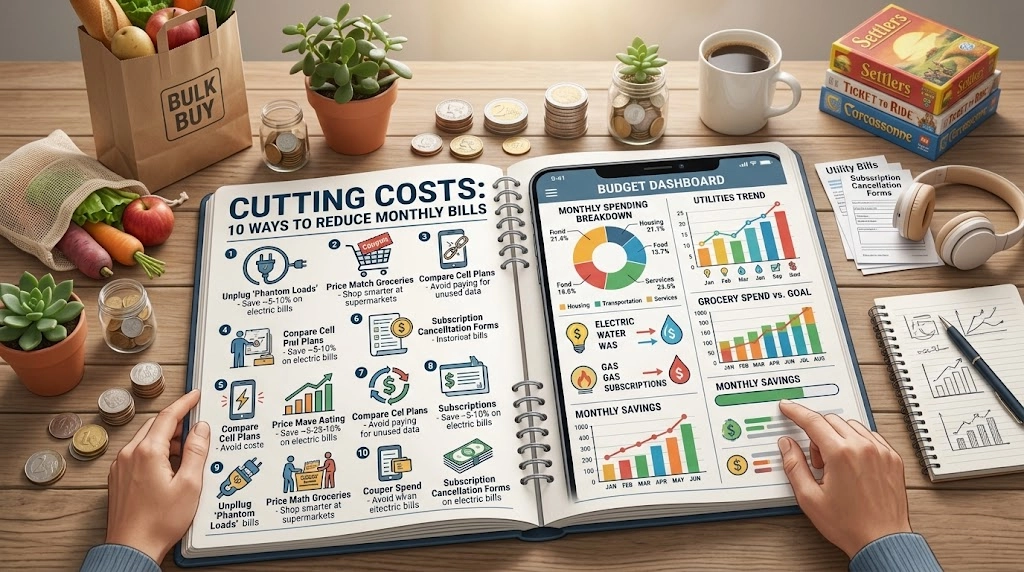
In today’s economy, managing monthly expenses has become a priority for many households. Rising costs of essentials like utilities, groceries, and subscriptions can strain budgets, leaving little room for savings or discretionary spending. However, with a few strategic adjustments, it’s possible to significantly reduce monthly bills without sacrificing quality of life. This article explores ten practical and effective ways to cut costs, offering actionable tips that can be implemented immediately.
One of the most straightforward ways to reduce monthly bills is by auditing your subscriptions. Many people pay for services they rarely use, such as streaming platforms, gym memberships, or magazines. Take an inventory of all recurring subscriptions and cancel those that no longer serve a purpose. Most companies allow for easy cancellation online, and the savings can add up quickly.
Energy bills often account for a significant portion of monthly expenses. Simple changes like switching to energy-efficient LED bulbs, unplugging devices when not in use, and using programmable thermostats can lead to noticeable reductions. Additionally, consider sealing drafts around windows and doors to improve insulation, which can lower heating and cooling costs year-round.
Groceries are another area where costs can spiral out of control. Meal planning and creating a shopping list can prevent impulse purchases. Buying in bulk for non-perishable items and opting for store brands instead of name brands can also save money. Farmers’ markets and discount grocery stores are excellent alternatives for fresh produce at lower prices.
Transportation costs, including fuel and maintenance, can be minimized by carpooling, using public transit, or biking for short distances. For those with multiple vehicles, consider downsizing to a single car or exploring ride-sharing apps for occasional use. Regular maintenance, such as oil changes and tire rotations, can extend the life of your vehicle and prevent costly repairs.
Insurance premiums, whether for health, auto, or home, often have room for negotiation. Shop around for better rates annually and inquire about discounts for bundling policies or maintaining a good driving record. Increasing deductibles can also lower monthly premiums, though this should be done cautiously to avoid financial strain in case of a claim.
Credit card interest can quickly erode your budget if balances are carried month-to-month. Prioritize paying off high-interest debt and consider transferring balances to a card with a lower interest rate. Using cash or debit cards for daily purchases can also help curb overspending and reduce reliance on credit.
Water bills can be reduced by adopting simple conservation habits. Fixing leaky faucets, installing low-flow showerheads, and running dishwashers and washing machines only when full can significantly cut water usage. Collecting rainwater for gardening or outdoor cleaning is another eco-friendly way to save.
Eating out and ordering takeout frequently can drain your budget. Cooking at home is not only more affordable but also healthier. Batch cooking and meal prepping can save time and ensure that you always have a nutritious meal on hand. Investing in a slow cooker or instant pot can make home cooking even more convenient.
Many households pay for both internet and cable TV, but streaming services often provide a more cost-effective alternative. Evaluate your viewing habits and consider switching to a single streaming platform or bundling internet and TV services for a lower rate. Negotiating with providers for promotional pricing can also yield savings.
Finally, take advantage of discounts and cashback opportunities whenever possible. Many retailers and service providers offer loyalty programs, coupons, or cashback rewards. Apps and browser extensions can help you find the best deals and automatically apply discounts at checkout. Small savings here and there can add up to significant annual reductions.
Reducing monthly bills requires a combination of awareness, discipline, and creativity. By implementing these strategies, you can take control of your finances and free up funds for savings, investments, or leisure activities. Start with small changes and gradually incorporate more tips to achieve long-term financial stability. With persistence, cutting costs can become a sustainable habit that benefits your wallet and your peace of mind.