The Best Budgeting Tools for Personal Finance

A desk with a laptop displaying financial charts, a tablet, a notebook with a piggy bank drawing, a piggy bank, a calculator, coins, and paper money.

Managing personal finances can feel overwhelming, but the right budgeting tools can make the process seamless and stress-free. Whether you’re saving for a dream vacation, paying off debt, or simply tracking daily expenses, there’s a tool tailored to your needs. In this article, we’ll explore the best budgeting tools available, each designed to help you take control of your financial life.

Mint, one of the most popular budgeting apps, syncs with your bank accounts, credit cards, and investments to provide a comprehensive view of your finances. Its user-friendly interface allows you to set budgets, track spending, and receive alerts when you’re close to exceeding limits. Mint also offers free credit score monitoring, making it a one-stop shop for financial management. However, its reliance on ads and occasional syncing issues can be minor drawbacks. Despite this, Mint remains a top choice for beginners and seasoned budgeters alike.

For those who prefer a hands-on approach, YNAB (You Need A Budget) is a game-changer. This app follows a four-rule system to help users break the paycheck-to-paycheck cycle and save more money. YNAB’s philosophy is simple: give every dollar a job. While it requires a subscription fee, its educational resources and active community make it worth the investment. Users report significant improvements in their financial habits after adopting YNAB’s method.

If you’re looking for a tool that combines budgeting with investing, PocketGuard is an excellent option. It analyzes your income and expenses to identify areas where you can save, then suggests ways to allocate those savings into investments. PocketGuard’s “In My Pocket” feature shows how much money you have available for discretionary spending after accounting for bills and savings goals. Its intuitive design and investment integration make it ideal for those aiming to grow their wealth.

For families or couples managing shared finances, Goodbudget stands out. Based on the envelope budgeting system, this app allows users to allocate funds into virtual envelopes for different categories like groceries, utilities, or entertainment. Its sync feature ensures everyone is on the same page, making it perfect for collaborative financial planning. Goodbudget offers a free version, though upgrading to the paid plan unlocks additional features like unlimited envelopes and accounts.

Honeydue is another excellent tool for couples, focusing on transparency and teamwork. It allows partners to link accounts, track shared bills, and set joint financial goals. Honeydue’s chat feature enables easy communication about expenses, reducing money-related conflicts. While it’s designed for couples, its simplicity and functionality make it useful for anyone managing shared finances.

For those who prefer a more manual approach, spreadsheet tools like Google Sheets or Excel offer unparalleled customization. With templates available online, you can create a budgeting system tailored to your unique needs. These tools are free and highly flexible, though they require more effort to set up and maintain. If you’re tech-savvy and enjoy DIY solutions, spreadsheets can be a powerful way to manage your finances.

Lastly, Simplifi by Quicken is a modern budgeting app that focuses on simplicity and clarity. It categorizes transactions, tracks spending trends, and provides insights into your financial health. Simplifi’s goal-setting feature helps you stay motivated, whether you’re saving for a house or paying off student loans. While it comes with a subscription fee, its robust features and intuitive design make it a strong contender for those seeking a premium budgeting experience.

Choosing the right budgeting tool depends on your financial goals, lifestyle, and preferences. Whether you opt for a free app like Mint or invest in a comprehensive system like YNAB, the key is to find a tool that works for you. With these options at your fingertips, taking control of your finances has never been easier. Start today and watch your financial future transform.


Budget-Friendly Meal Planning for Busy Families

A diverse family sits together around a large wooden dining table, enjoying a meal filled with bowls of food and cookbooks.

In today’s fast-paced world, finding time to prepare healthy, affordable meals can feel like an impossible task for busy families. Between work, school, and extracurricular activities, the last thing anyone wants to worry about is what’s for dinner. However, with a little planning and creativity, meal planning on a budget can become a stress-free part of your routine. The key is to focus on simple, versatile ingredients that can be used in multiple dishes throughout the week. Start by creating a weekly meal plan that includes breakfast, lunch, and dinner, ensuring each meal is balanced and satisfying. By doing so, you’ll reduce food waste and save money on last-minute takeout orders.

One of the most effective strategies for budget-friendly meal planning is to build your meals around affordable staples like rice, beans, pasta, and frozen vegetables. These ingredients are not only cost-effective but also incredibly versatile. For example, a batch of cooked rice can be transformed into a stir-fry, a side dish, or even a rice bowl with leftover proteins. Similarly, beans can be used in soups, salads, or tacos. Frozen vegetables are another lifesaver—they’re just as nutritious as fresh produce and can be added to almost any dish without the risk of spoilage. By keeping these staples on hand, you’ll always have a foundation for a quick, healthy meal.

Meal prepping is another game-changer for busy families. Dedicate a few hours on the weekend to prepare ingredients or entire meals in advance. Chop vegetables, cook grains, and marinate proteins so they’re ready to go during the week. For instance, grilling a tray of chicken breasts or tofu can provide protein for salads, sandwiches, and wraps throughout the week. Similarly, roasting a sheet pan of vegetables can be used as a side dish or tossed into pasta or grain bowls. Investing in reusable containers will also help keep your prepped meals fresh and organized, making it easier to grab and go.

Shopping smart is essential for staying within your budget. Start by creating a detailed grocery list based on your meal plan and stick to it when you’re at the store. Avoid shopping when hungry, as this can lead to impulse buys. Look for sales and discounts, and don’t be afraid to try store brands, which are often just as good as their name-brand counterparts but more affordable. Buying in bulk can also save money, especially for non-perishable items like rice, pasta, and canned goods. Just be sure to store them properly to avoid waste.

Incorporating leftovers into your meal plan is another way to stretch your budget. Many dishes taste even better the next day, and repurposing leftovers can save time and money. For example, roasted chicken can be turned into a soup, casserole, or sandwich filling. Extra vegetables can be blended into a smoothie or added to an omelet. Get creative with your leftovers—they’re a valuable resource that shouldn’t be overlooked.

Teaching your family to cook simple meals can also reduce the burden on any one person. Even young children can help with tasks like washing vegetables or assembling sandwiches. Not only does this make meal prep more efficient, but it also fosters a sense of teamwork and teaches valuable life skills. Consider having a “family cooking night” once a week where everyone participates in preparing the meal. This can make cooking feel less like a chore and more like a fun activity.

Finally, don’t forget to plan for snacks and desserts. Healthy, homemade snacks like popcorn, fruit with yogurt, or energy balls can keep hunger at bay between meals without breaking the bank. For desserts, focus on simple, affordable options like baked apples, banana bread, or chocolate pudding made from scratch. By including these in your meal plan, you’ll avoid the temptation to buy expensive pre-packaged treats.

Budget-friendly meal planning for busy families is all about simplicity, organization, and creativity. By focusing on affordable staples, meal prepping, shopping smart, and making the most of leftovers, you can enjoy healthy, delicious meals without the stress. With a little effort upfront, you’ll save time, money, and energy—leaving you more freedom to enjoy what truly matters: quality time with your family.

Debt-Free Living: Tips to Pay Off Debt Quickly

A smiling man in a denim shirt holds a large glass jar labeled "Debt Paid" in a living room, while a coffee table with shredded papers sits in the foreground.

Living debt-free is a dream for many, but it often feels like an unattainable goal. The weight of debt can be overwhelming, whether it’s from credit cards, student loans, or personal loans. However, with discipline, strategy, and a clear plan, it’s possible to break free from financial burdens faster than you think. The first step is acknowledging the problem and committing to change. Debt doesn’t disappear overnight, but small, consistent efforts can lead to significant progress. Start by assessing your financial situation: list all debts, their interest rates, and minimum payments. This clarity will help you prioritize and create a roadmap to financial freedom. Remember, the journey to debt-free living begins with a single step—and that step is taking control of your finances.

One of the most effective strategies for paying off debt quickly is the *debt snowball method*. Popularized by financial expert Dave Ramsey, this approach focuses on paying off the smallest debts first, regardless of interest rates. The idea is to gain momentum by achieving quick wins, which motivates you to tackle larger debts. Start by making minimum payments on all debts, then allocate any extra funds to the smallest debt. Once that’s paid off, roll the amount you were paying toward the next smallest debt. This method not only reduces the number of debts you’re juggling but also provides a psychological boost as you see progress. It’s a powerful tool for staying motivated and committed to your financial goals.

Another proven strategy is the *debt avalanche method*, which prioritizes debts with the highest interest rates. Unlike the snowball method, this approach focuses on minimizing the total amount of interest paid over time. By targeting high-interest debts first, you save money in the long run. This method requires a bit more patience, as it may take longer to see debts disappear entirely. However, it’s mathematically the most efficient way to pay off debt. To decide which method is best for you, consider your financial personality. If you’re motivated by quick wins, the snowball method might be ideal. If you’re more results-driven and patient, the avalanche method could be the better choice.

Cutting unnecessary expenses is crucial for accelerating debt repayment. Take a close look at your monthly spending and identify areas where you can reduce costs. Common culprits include dining out, subscription services, and impulse purchases. Consider cooking at home, canceling unused subscriptions, and creating a budget to track your spending. Every dollar saved can be redirected toward paying off debt. Additionally, look for ways to increase your income, such as taking on a side job, freelancing, or selling items you no longer need. Boosting your income gives you more resources to tackle debt aggressively. Small changes in your spending habits can have a big impact on your financial future.

Building an emergency fund might seem counterintuitive when you’re focused on paying off debt, but it’s a critical step in avoiding future financial setbacks. Without savings, unexpected expenses like car repairs or medical bills can force you to rely on credit cards, undoing your progress. Aim to save at least $1,000 as a starter emergency fund while you’re paying off debt. This safety net provides peace of mind and helps you stay on track. Once you’re debt-free, you can work on building a more substantial emergency fund to cover three to six months’ worth of living expenses. Financial stability is a key component of debt-free living.

Staying motivated during the debt repayment process can be challenging, but setting clear, achievable goals can make the journey more manageable. Break your overall goal into smaller milestones, such as paying off a specific credit card or reaching a certain balance. Celebrate these victories to keep yourself motivated. Surround yourself with a supportive network of friends or family who understand your goals and can encourage you along the way. Joining online communities or forums focused on debt repayment can also provide valuable advice and inspiration. Remember, every payment brings you closer to freedom, and the sacrifices you make today will pay off in the long run.

Once you’ve paid off your debt, it’s essential to maintain the financial habits that helped you succeed. Continue budgeting, tracking expenses, and avoiding unnecessary debt. Use the extra money that was once allocated to debt payments to build wealth, whether through investing, saving for retirement, or achieving other financial goals. Living debt-free doesn’t mean you can’t enjoy life—it means you have the financial freedom to make choices without the burden of debt holding you back. Celebrate your achievement, but stay disciplined to ensure you never return to the cycle of debt.

Debt-free living is not just about paying off what you owe; it’s about transforming your relationship with money. It requires patience, perseverance, and a willingness to make sacrifices in the short term for long-term financial security. By following these tips—whether it’s using the snowball or avalanche method, cutting expenses, or building an emergency fund—you can take control of your finances and achieve the peace of mind that comes with being debt-free. The journey may be challenging, but the rewards are well worth the effort. Start today, and take the first step toward a brighter, debt-free future.

Top 5 Budgeting Apps to Manage Your Finances

Five smartphones displaying various financial budgeting and tracking app screens stand upright on a desk between two open laptops.

Managing your finances can be a daunting task, but with the right tools, it becomes a breeze. Budgeting apps have revolutionized the way we track expenses, save money, and achieve financial goals. Whether you’re a student, a professional, or a family, these apps cater to all needs. Here’s a curated list of the top five budgeting apps that can help you take control of your finances effortlessly.

1. Mint: The All-in-One Financial Assistant
Mint, owned by Intuit, is a powerhouse in the budgeting app space. It syncs with your bank accounts, credit cards, and investments to provide a comprehensive view of your financial health. The app categorizes transactions automatically, tracks bills, and sends reminders to avoid late fees. One of its standout features is the personalized budget suggestions based on your spending habits. Mint also offers free credit score monitoring, making it a one-stop solution for financial management. Its user-friendly interface ensures even budgeting beginners can navigate it with ease.

2. YNAB (You Need A Budget): The Goal-Oriented Planner
YNAB takes a unique approach by encouraging users to “give every dollar a job.” This app is perfect for those who want to align their spending with specific goals. It follows four simple rules: give every dollar a job, embrace your true expenses, roll with the punches, and age your money. YNAB’s goal tracking and progress reports keep you motivated. While it requires a subscription, its educational resources and active community make it worth the investment for serious budgeters.

3. PocketGuard: The Simplicity Champion
PocketGuard stands out for its simplicity and focus on helping users “spend less and save more.” It analyzes your income and expenses to determine how much you can safely spend each day. The app also identifies recurring subscriptions and suggests cancellations for unused services. PocketGuard’s “In My Pocket” feature shows your available funds after accounting for bills and savings. Its free version is robust, but the premium plan offers additional features like customized categories and debt payoff plans.

4. Goodbudget: The Digital Envelope System
Inspired by the envelope budgeting method, Goodbudget is ideal for shared household budgets. It allows users to allocate funds into virtual envelopes for different expenses like groceries, rent, or entertainment. The app syncs across devices, making it perfect for couples or families managing finances together. Its free version offers up to 10 envelopes and one year of transaction history, while the paid version expands these limits. Goodbudget’s simplicity and focus on shared budgeting make it a unique choice.

5. Personal Capital: The Investment-Focused Tracker
Personal Capital is more than just a budgeting app; it’s a comprehensive financial management tool. While it tracks expenses and income, its strength lies in investment management. The app provides insights into your portfolio’s performance, asset allocation, and retirement planning. Its free version offers budgeting tools, while the paid financial advisory services cater to high-net-worth individuals. Personal Capital is perfect for those who want to manage both daily expenses and long-term investments in one place.

In conclusion, the right budgeting app can transform your financial journey, making it easier to save, invest, and achieve your goals. Whether you prefer simplicity, goal-oriented planning, or investment tracking, there’s an app tailored to your needs. Start exploring these options today and take the first step toward financial freedom.

10 Easy Budgeting Tips for Beginners

An overhead view of a light wooden table arranged with financial and daily life items in a circular pattern, including a pink piggy bank, stacks of coins, paper money, a calculator, a notebook with a pen, a calendar, a book on personal finance, a cup of coffee, a sandwich, and a pair of running shoes.

Budgeting doesn’t have to be overwhelming. In fact, it’s one of the simplest ways to take control of your finances and work toward your goals. Whether you’re saving for a dream vacation, paying off debt, or just trying to make ends meet, these beginner-friendly tips will help you get started. The key is to start small, stay consistent, and adjust as you go. By the end of this article, you’ll have a clear roadmap to manage your money with confidence.

The first step to budgeting is understanding where your money goes. Start by tracking your expenses for a month. Write down every purchase, no matter how small. This will give you a clear picture of your spending habits. Many people are surprised to see how much they spend on coffee, subscriptions, or impulse buys. Once you have this data, you can identify areas where you can cut back.

Next, set clear financial goals. Are you saving for a house, paying off student loans, or building an emergency fund? Having specific goals will keep you motivated. Break them down into smaller, achievable milestones. For example, if you want to save $5,000 in a year, aim to save $417 per month. This makes the goal feel less daunting and more manageable.

The 50/30/30 rule is a popular budgeting framework that’s easy to follow. Allocate 50% of your income to needs (rent, utilities, groceries), 30% to wants (entertainment, dining out, hobbies), and 20% to savings and debt repayment. This rule ensures you’re balancing your current lifestyle with your future financial security.

Automating your finances can save you time and reduce stress. Set up automatic transfers from your checking account to your savings or investment accounts. This way, you’re saving money without even thinking about it. Most banks allow you to schedule recurring transfers, making it effortless to stick to your budget.

Eating out and ordering takeout can quickly eat into your budget. Instead, plan your meals for the week and cook at home. Not only is it cheaper, but it’s also healthier. Start with simple recipes and gradually expand your cooking skills. You’ll be surprised at how much you can save by reducing restaurant spending.

Subscriptions can add up fast, especially when you forget about them. Review your monthly subscriptions and cancel the ones you don’t use regularly. Whether it’s a gym membership, streaming service, or magazine subscription, cutting unnecessary expenses can free up extra cash for your savings or debt repayment.

Before making a purchase, ask yourself if it’s a need or a want. If it’s a want, wait 24 hours before buying it. This gives you time to decide if it’s worth the money. Impulse buying can derail your budget, so pausing before purchasing can help you make smarter financial decisions.

An emergency fund is your financial safety net. Aim to save at least three to six months’ worth of living expenses. Start small by setting aside $20 or $50 each month. Having an emergency fund will give you peace of mind and protect you from going into debt during unexpected situations.

If you’re carrying credit card debt, focus on paying it off as quickly as possible. High-interest debt can drain your finances. Consider the debt snowball method (paying off the smallest debts first) or the debt avalanche method (paying off the highest-interest debts first). Both strategies can help you become debt-free faster.

Budgeting is not a one-time task—it’s an ongoing process. Review your budget regularly to see what’s working and what needs adjusting. Life circumstances change, and so should your budget. Monthly check-ins will help you stay on track and make necessary tweaks.

There are countless budgeting apps and tools available to make the process easier. Apps like Mint, YNAB, and PocketGuard can help you track expenses, set goals, and monitor your progress. These tools sync with your bank accounts and provide real-time insights into your spending habits.

Finally, don’t be too hard on yourself. Budgeting is a skill that takes time to master. If you overspend one month, don’t give up. Learn from your mistakes and make adjustments moving forward. Celebrate your successes, no matter how small, and keep working toward your financial goals.

By following these 10 easy budgeting tips, you’ll be well on your way to financial stability. Remember, the goal isn’t to restrict yourself but to make mindful choices about how you spend and save. Start today, and watch your financial confidence grow.

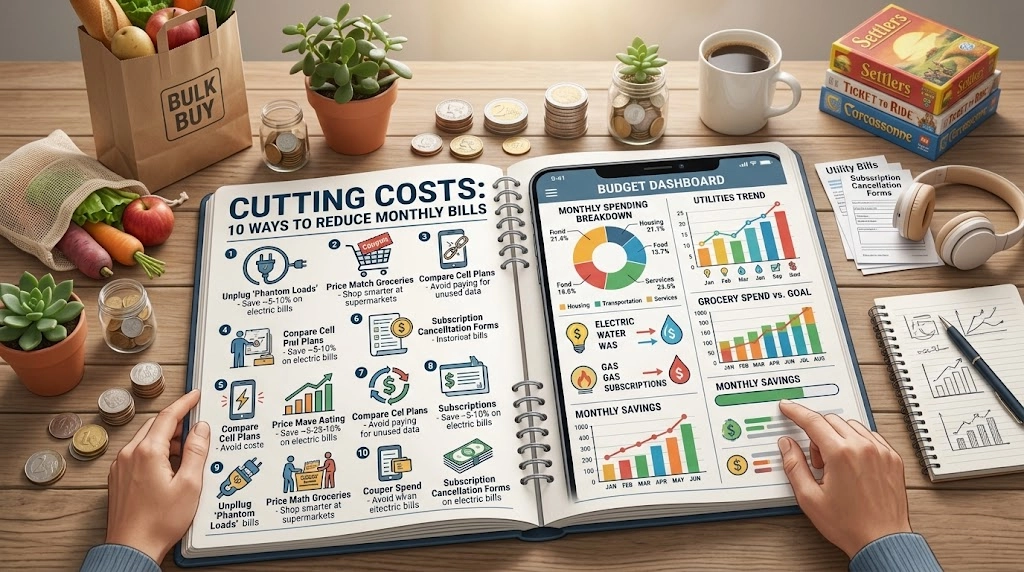
Cutting Costs: 10 Ways to Reduce Monthly Bills

In today’s economy, managing monthly expenses has become a priority for many households. Rising costs of essentials like utilities, groceries, and subscriptions can strain budgets, leaving little room for savings or discretionary spending. However, with a few strategic adjustments, it’s possible to significantly reduce monthly bills without sacrificing quality of life. This article explores ten practical and effective ways to cut costs, offering actionable tips that can be implemented immediately.

One of the most straightforward ways to reduce monthly bills is by auditing your subscriptions. Many people pay for services they rarely use, such as streaming platforms, gym memberships, or magazines. Take an inventory of all recurring subscriptions and cancel those that no longer serve a purpose. Most companies allow for easy cancellation online, and the savings can add up quickly.

Energy bills often account for a significant portion of monthly expenses. Simple changes like switching to energy-efficient LED bulbs, unplugging devices when not in use, and using programmable thermostats can lead to noticeable reductions. Additionally, consider sealing drafts around windows and doors to improve insulation, which can lower heating and cooling costs year-round.

Groceries are another area where costs can spiral out of control. Meal planning and creating a shopping list can prevent impulse purchases. Buying in bulk for non-perishable items and opting for store brands instead of name brands can also save money. Farmers’ markets and discount grocery stores are excellent alternatives for fresh produce at lower prices.

Transportation costs, including fuel and maintenance, can be minimized by carpooling, using public transit, or biking for short distances. For those with multiple vehicles, consider downsizing to a single car or exploring ride-sharing apps for occasional use. Regular maintenance, such as oil changes and tire rotations, can extend the life of your vehicle and prevent costly repairs.

Insurance premiums, whether for health, auto, or home, often have room for negotiation. Shop around for better rates annually and inquire about discounts for bundling policies or maintaining a good driving record. Increasing deductibles can also lower monthly premiums, though this should be done cautiously to avoid financial strain in case of a claim.

Credit card interest can quickly erode your budget if balances are carried month-to-month. Prioritize paying off high-interest debt and consider transferring balances to a card with a lower interest rate. Using cash or debit cards for daily purchases can also help curb overspending and reduce reliance on credit.

Water bills can be reduced by adopting simple conservation habits. Fixing leaky faucets, installing low-flow showerheads, and running dishwashers and washing machines only when full can significantly cut water usage. Collecting rainwater for gardening or outdoor cleaning is another eco-friendly way to save.

Eating out and ordering takeout frequently can drain your budget. Cooking at home is not only more affordable but also healthier. Batch cooking and meal prepping can save time and ensure that you always have a nutritious meal on hand. Investing in a slow cooker or instant pot can make home cooking even more convenient.

Many households pay for both internet and cable TV, but streaming services often provide a more cost-effective alternative. Evaluate your viewing habits and consider switching to a single streaming platform or bundling internet and TV services for a lower rate. Negotiating with providers for promotional pricing can also yield savings.

Finally, take advantage of discounts and cashback opportunities whenever possible. Many retailers and service providers offer loyalty programs, coupons, or cashback rewards. Apps and browser extensions can help you find the best deals and automatically apply discounts at checkout. Small savings here and there can add up to significant annual reductions.

Reducing monthly bills requires a combination of awareness, discipline, and creativity. By implementing these strategies, you can take control of your finances and free up funds for savings, investments, or leisure activities. Start with small changes and gradually incorporate more tips to achieve long-term financial stability. With persistence, cutting costs can become a sustainable habit that benefits your wallet and your peace of mind.

How to Save Money Fast: 7 Proven Strategies

**How to Save Money Fast: 7 Proven Strategies**

Saving money can feel like an uphill battle, especially when unexpected expenses arise or financial goals seem out of reach. However, with the right strategies, it’s entirely possible to build a solid savings foundation quickly. Whether you’re preparing for an emergency, planning a big purchase, or simply wanting to secure your financial future, these seven proven strategies will help you save money fast and efficiently. By adopting a disciplined approach and making small but impactful changes to your daily habits, you can take control of your finances and watch your savings grow.

**1. Track Your Spending to Identify Waste**
The first step to saving money is understanding where it goes. Start by tracking every expense for at least a month. Use budgeting apps or a simple notebook to log purchases, bills, and subscriptions. This process will reveal areas where you’re overspending, such as dining out or impulse buys. Once you identify these patterns, you can cut back on non-essential expenses. For example, reducing daily coffee shop visits or canceling unused subscriptions can free up significant cash. Awareness is key—knowing where your money goes empowers you to make smarter financial decisions.

**2. Create a Realistic Budget and Stick to It**
A budget is your financial roadmap. Allocate your income into categories like rent, groceries, transportation, and savings. The 50/30/20 rule is a popular method: 50% for needs, 30% for wants, and 20% for savings. Adjust these percentages based on your goals and lifestyle. The key is to be realistic—don’t set yourself up for failure with an overly restrictive plan. Use budgeting tools or spreadsheets to monitor progress and make adjustments as needed. Consistency is crucial; sticking to your budget ensures you’re saving steadily without feeling deprived.

**3. Automate Your Savings for Effortless Growth**
One of the most effective ways to save money fast is to automate the process. Set up automatic transfers from your checking account to a savings or investment account. Many banks allow you to schedule recurring deposits, ensuring a portion of your income is saved before you even see it. Start with a small percentage of your paycheck and increase it over time as your financial situation improves. Automation removes the temptation to spend and makes saving a seamless part of your routine.

**4. Cut Back on Non-Essential Expenses**
Non-essential expenses are often the biggest drain on your budget. Evaluate your spending habits and identify areas where you can cut back. For instance, cook at home instead of eating out, cancel unused gym memberships, or opt for free entertainment like hiking or community events. Small changes add up quickly. Challenge yourself to a “no-spend” week each month, where you only pay for essentials. This practice not only saves money but also helps you distinguish between needs and wants.

**5. Increase Your Income Through Side Hustles**
Saving money isn’t just about cutting expenses—it’s also about increasing your income. Consider taking on a side hustle to boost your earnings. Freelancing, tutoring, driving for ride-sharing services, or selling handmade crafts are all viable options. Even a few extra hours a week can make a significant difference in your savings. Use the additional income exclusively for savings or debt repayment to accelerate your financial goals.

**6. Reduce High-Interest Debt to Free Up Cash**
High-interest debt, such as credit card balances, can hinder your ability to save. Focus on paying down these debts as quickly as possible. Start with the highest-interest accounts and work your way down. Consider consolidating debt with a lower-interest loan or transferring balances to a 0% APR credit card. Reducing debt not only saves you money on interest but also frees up more cash for savings.

**7. Take Advantage of Discounts and Cashback Offers**
Every dollar saved is a dollar earned. Make it a habit to look for discounts, coupons, and cashback offers when shopping. Use cashback apps or browser extensions to earn rewards on everyday purchases. Shop sales strategically, especially for big-ticket items. Additionally, take advantage of employer benefits like health savings accounts (HSAs) or retirement plans with employer matching. These small efforts can add up to substantial savings over time.

Saving money fast requires discipline, creativity, and a willingness to make changes. By tracking your spending, creating a budget, automating savings, cutting non-essential expenses, increasing your income, reducing debt, and leveraging discounts, you can achieve your financial goals more quickly than you might think. Start with one strategy at a time and gradually incorporate more as you build momentum. With persistence and the right approach, financial security is within your reach.

How to Save for Retirement: A Step-by-Step Guide

**How to Save for Retirement: A Step-by-Step Guide**

Saving for retirement can feel overwhelming, but breaking it down into manageable steps makes it achievable. The first step is to assess your current financial situation. Take stock of your income, expenses, debts, and savings. Understanding where you stand financially will help you set realistic goals. Create a budget to track your spending and identify areas where you can cut back. Even small adjustments, like reducing dining out or canceling unused subscriptions, can free up extra cash for retirement savings. Remember, the earlier you start, the more time your money has to grow. If you’re in your 20s or 30s, don’t delay—compound interest is your best friend. For those closer to retirement, it’s never too late to begin. Start with what you can, and gradually increase your contributions as your financial situation improves.

Once you’ve assessed your finances, the next step is to set clear retirement goals. Calculate how much money you’ll need to maintain your desired lifestyle in retirement. A common rule of thumb is to aim for 70-80% of your pre-retirement income annually. Consider factors like inflation, healthcare costs, and life expectancy. Online retirement calculators can provide a rough estimate, but consulting a financial advisor can offer personalized guidance. Break your goal into smaller, achievable milestones. For example, aim to save 10% of your income by the end of the year or max out your retirement account contributions. Having specific targets keeps you motivated and on track.

Now that you have a goal, it’s time to choose the right retirement accounts. Most people benefit from a combination of employer-sponsored plans like a 401(k) and individual retirement accounts (IRAs). If your employer offers a 401(k) match, contribute enough to get the full benefit—it’s essentially free money. Roth IRAs are another great option, especially for younger savers, as they allow tax-free withdrawals in retirement. If you’re self-employed, consider a Solo 401(k) or SEP IRA. Each account has its own rules and benefits, so research which ones align best with your financial situation and goals.

Automating your savings is one of the easiest ways to stay consistent. Set up automatic transfers from your paycheck or bank account to your retirement savings. Many employers allow you to deduct 401(k) contributions directly from your salary, making it effortless to save. If you’re using an IRA, schedule monthly transfers on payday. Automating ensures you save regularly without having to remember to do it manually. Over time, these contributions add up, and you’ll be surprised at how quickly your retirement fund grows.

Investing wisely is key to growing your retirement savings. While it can be tempting to play it safe, keeping all your money in low-risk accounts may not provide enough growth to outpace inflation. Consider a diversified portfolio that includes stocks, bonds, and other assets based on your risk tolerance and time horizon. Younger savers can afford to take on more risk for higher potential returns, while those closer to retirement may want to shift toward more conservative investments. If you’re unsure, target-date funds automatically adjust their asset allocation based on your retirement timeline.

Regularly reviewing and adjusting your retirement plan is essential. Life circumstances change, and so should your savings strategy. At least once a year, reassess your goals, contributions, and investments. Are you on track to meet your targets? If not, consider increasing your savings rate or adjusting your investment mix. Major life events, like a salary increase, marriage, or having children, may also require updates to your plan. Staying proactive ensures you’re always moving in the right direction.

Don’t overlook the importance of minimizing debt as part of your retirement strategy. High-interest debt, like credit cards, can eat into your savings and hinder your progress. Create a plan to pay off debts while still contributing to retirement. Focus on high-interest balances first, then tackle lower-interest loans. Avoiding new debt is equally important. Live within your means and prioritize saving over unnecessary spending. A debt-free retirement not only reduces stress but also frees up more money for your golden years.

Finally, consider additional ways to boost your retirement savings. If you’re over 50, take advantage of catch-up contributions, which allow you to save more in your retirement accounts. Explore other income streams, like part-time work or rental properties, to supplement your savings. Downsizing your home or relocating to a lower-cost area can also reduce expenses and increase your retirement fund. Every little bit helps, and being creative with your approach can make a significant difference.

Saving for retirement is a journey, not a destination. It requires patience, discipline, and adaptability. By following these steps—assessing your finances, setting goals, choosing the right accounts, automating savings, investing wisely, reviewing your plan, minimizing debt, and exploring additional strategies—you’ll be well-prepared for a comfortable retirement. Start today, stay consistent, and watch your future self thank you.

How to Set Financial Goals and Achieve Them

Financial goals are the cornerstone of a secure and fulfilling life. Whether it’s saving for a dream home, paying off debt, or building an emergency fund, having clear objectives gives direction to your financial decisions. However, setting goals is just the first step; achieving them requires discipline, planning, and consistency. Start by identifying what truly matters to you. Are you saving for short-term needs like a vacation, or long-term goals like retirement? Prioritize based on urgency and importance. Break larger goals into smaller, manageable milestones to avoid feeling overwhelmed. For instance, instead of focusing solely on “saving $50,000,” aim to save $500 per month. This approach makes progress measurable and motivates you to stay on track.

Once you’ve defined your goals, assess your current financial situation. Understanding your income, expenses, and debt is crucial. Create a budget to track where your money goes each month. Tools like budgeting apps or spreadsheets can simplify this process. Identify areas where you can cut unnecessary spending and redirect those funds toward your goals. For example, reducing daily coffee shop visits or canceling unused subscriptions can free up significant amounts over time. Be honest with yourself about your spending habits—small changes often lead to big results.

Saving money is essential for achieving financial goals, but it’s equally important to make your savings work harder. Explore high-yield savings accounts, certificates of deposit (CDs), or investment options like stocks and mutual funds, depending on your risk tolerance and time horizon. For long-term goals, such as retirement, consider tax-advantaged accounts like a 401(k) or IRA. Diversifying your savings ensures you’re maximizing returns while minimizing risk. Consult a financial advisor if you’re unsure where to start.

Debt can be a major obstacle to achieving financial goals. Develop a strategy to tackle it systematically. The debt snowball method, which focuses on paying off the smallest debts first, can provide quick wins and motivation. Alternatively, the debt avalanche method prioritizes high-interest debts to save money in the long run. Whichever approach you choose, commit to making consistent payments and avoid taking on new debt. Celebrate each milestone, like paying off a credit card, to stay motivated.

Life is unpredictable, and financial goals need to be flexible. Regularly review and adjust your plans as circumstances change. Did you get a raise? Increase your savings contributions. Facing unexpected expenses? Temporarily pause non-essential savings goals without losing sight of the bigger picture. Building an emergency fund with three to six months’ worth of living expenses can provide a safety net during tough times. Flexibility ensures your goals remain achievable, no matter what life throws your way.

Accountability is a powerful tool for staying on track. Share your financial goals with a trusted friend or family member who can offer support and encouragement. Consider joining a financial accountability group or working with a financial coach. Tracking your progress visually, such as with a chart or app, can also keep you motivated. Celebrate small victories along the way—they’re proof that you’re moving closer to your ultimate goal.

Financial literacy is key to making informed decisions. Educate yourself about personal finance through books, podcasts, and online courses. Understand concepts like compound interest, inflation, and diversification. The more you know, the better equipped you’ll be to navigate financial challenges and opportunities. Start with the basics and gradually expand your knowledge. Remember, learning is an ongoing process, and every bit of knowledge brings you closer to financial success.

Avoid common pitfalls that can derail your financial goals. Impulse buying, lifestyle inflation, and lack of planning are frequent obstacles. Before making a purchase, ask yourself if it aligns with your priorities. Resist the urge to increase spending just because your income rises. Stick to your budget and regularly reassess your goals to ensure they remain realistic and relevant. Being mindful of these traps will help you stay focused and disciplined.

Achieving financial goals is a marathon, not a sprint. Be patient and trust the process. Progress may seem slow at times, but consistency pays off in the long run. Remind yourself of the reasons behind your goals—whether it’s financial independence, a secure retirement, or a better life for your family. Stay positive and keep pushing forward, even when faced with setbacks. Your future self will thank you for the effort you’re putting in today.

Finally, take time to celebrate your achievements. Reaching a financial goal, no matter how small, is a significant accomplishment. Treat yourself to something meaningful, but avoid overspending. Reflect on how far you’ve come and use that momentum to set new goals. Financial success is not just about the destination—it’s about the habits and mindset you develop along the way. With determination and a clear plan, you can turn your financial dreams into reality.

Smart Shopping: How to Save Money on Groceries

**Smart Shopping: How to Save Money on Groceries**

Grocery shopping is a necessity, but it doesn’t have to break the bank. With a little planning and strategy, you can significantly reduce your spending while still enjoying nutritious and delicious meals. The key is to approach shopping with a mindset of efficiency and resourcefulness. Start by assessing your current spending habits. Track your grocery receipts for a month to identify where your money is going. Are you overspending on convenience foods or impulse buys? Understanding your patterns is the first step to making smarter choices.

Creating a meal plan is one of the most effective ways to save money on groceries. By planning your meals for the week, you can buy only what you need and reduce food waste. Consider themes like “Meatless Monday” or “Taco Tuesday” to simplify your planning. A well-thought-out meal plan also helps you avoid the temptation of ordering takeout, which can quickly add up.

Shopping with a list is essential for staying on track. Stick to the items on your list and avoid wandering into aisles that might tempt you with unnecessary purchases. If you’re shopping online, use the same principle by filtering your search to focus only on what you need.

Generic or store-brand products often cost less than their name-brand counterparts but are just as good. Compare prices per unit to ensure you’re getting the best deal. You might be surprised at how much you can save by switching to store brands for staples like pasta, rice, and canned goods.

Buying in bulk can save money, but only if you’re purchasing items you actually use. Non-perishable items like toilet paper, rice, and beans are great candidates for bulk buying. However, avoid buying perishable items in bulk unless you’re certain you’ll use them before they spoil.

Fresh produce can be expensive, especially if it’s out of season. Opt for seasonal fruits and vegetables, which are often cheaper and tastier. Frozen produce is another budget-friendly option that’s just as nutritious as fresh. Stock up on frozen veggies and fruits to add to smoothies, soups, and stir-fries.

Coupons and discounts can significantly reduce your grocery bill. Check store apps, websites, and local newspapers for coupons. Many stores also offer loyalty programs that provide exclusive discounts and cashback rewards. Don’t forget to use cashback apps like Ibotta or Fetch Rewards for additional savings.

Warehouse clubs like Costco or Sam’s Club can be great for saving money, but they’re not always the best option. Membership fees and the temptation to overspend can offset potential savings. If you do shop at a warehouse club, stick to your list and only buy items you know you’ll use.

Reducing food waste is not only good for the environment but also for your wallet. Get creative with leftovers by repurposing them into new meals. For example, roast chicken can be turned into sandwiches, salads, or soup. Freeze excess food to extend its shelf life and prevent it from going bad.

Eating out or ordering takeout regularly can quickly drain your budget. Cooking at home is almost always cheaper, and it allows you to control portion sizes and ingredients. Invest in basic kitchen tools like a slow cooker or Instant Pot to make meal prep easier and more efficient.

Shopping alone can help you stay focused and avoid impulse buys. When you bring kids or friends, you’re more likely to give in to requests for snacks or treats. If you must shop with others, set clear boundaries and stick to your list.

Timing your grocery trips strategically can also save you money. Many stores offer discounts on certain days or during specific hours. For example, some stores mark down bakery items in the evening or reduce prices on produce that’s nearing its expiration date.

Growing your own herbs or vegetables can be a cost-effective way to supplement your grocery shopping. Even if you don’t have a garden, you can grow herbs in small pots on a windowsill. This not only saves money but also adds freshness to your meals.

Finally, don’t be afraid to try new strategies and adjust your approach as needed. Saving money on groceries is a skill that improves with practice. Stay patient, stay organized, and remember that every dollar you save adds up over time. With these tips, you’ll be well on your way to becoming a smarter, savvier shopper.